Type beat, How Fullychop and Atlanta drill producers turn samples into ready-to-record instrumentals
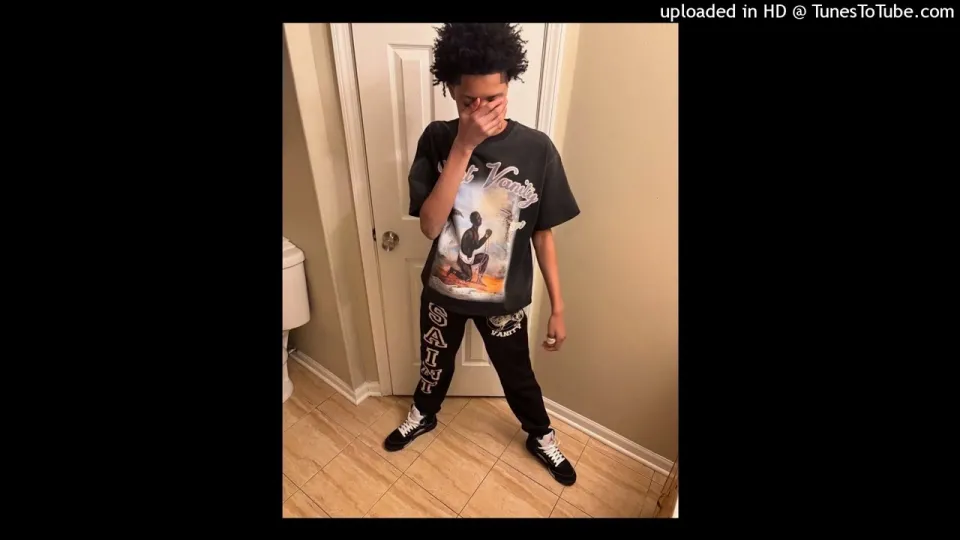
Video: Fullychop type beat “Run down”
You can order the same kind of articles for your own video to boost it on YouTube and Google. Just message the Telegram bot @sat_sit_bot. It writes articles around your video, embeds the video and publishes them on popular niche websites (no ads). Try it free: 50 articles on us.
· based on the channel Prod.Eman32x
Key takeaways
- A type beat is an original instrumental made in the style of a known artist, sold or shared for other rappers to record on.
- Prod.Eman32x released the Fullychop type beat "Run down" on 24 September 2026.
- The beat is free for non-profit use only; Spotify and Apple Music releases require a paid license.
- Credit to eman32x in the title or description is mandatory on every free use.
- The description tags Lil Tony, L5, Lil Rae, Lil Dre6o, Raxbaby and 2sdxrt3all as reference artists.
A type beat is an original instrumental built in the style of a specific artist or scene, sold or shared so other rappers can write and record over it. The Fullychop type beat "Run down" from producer Prod.Eman32x is a working example: a hard Atlanta drill instrumental tagged for Lil Tony, L5 and 2sdxrt3all, offered free for non-profit use with a required credit. Buying or downloading a type beat is not the same as licensing a song — the producer keeps the copyright to the beat, and the rapper gets a limited right to use it under stated conditions.
What a type beat actually is and why producers tag them
A type beat is a finished instrumental that imitates the production signature of a known artist without sampling their vocals or copying their songs. Producers label beats this way because search is how rappers find instrumentals: someone looking for a Lil Tony type beat or an Atlanta drill type beat types exactly that phrase, and the producer's upload competes for that search.
The "type" prefix does two jobs. It signals the tempo, drum pattern, sample choice and mood a rapper can expect, and it keeps the producer legally separate from the artist being referenced. A type beat is not an official beat from Lil Tony's camp, and nothing on the track is cleared by that artist. The reference names are search tags and style markers, not credits.
Producers also add audio tags — a short spoken name over the instrumental — so that a leaked or unlicensed recording still carries their identity. That is why so many free downloads have a voice saying the producer's name every eight or sixteen bars.
How "Run down" is built: sample, drums and Atlanta drill tempo
"Run down" follows the standard Atlanta drill construction: a looped melodic sample carries the emotional weight, and the drums sit underneath in a sparse, punchy pattern. The description tags it as a sample type beat, which means the melodic core is a chopped and pitched loop rather than an original synth melody. Chopping raises or lowers the pitch of the source, strips it of its original context, and turns a short phrase into a repeating hook.
The drum side is where drill lives. Atlanta drill typically runs in the 130–150 BPM range with a sliding 808 bass, triplet hi-hat rolls and a snare or clap landing on the third beat of the bar. The beat leaves the low end mostly empty between 808 hits so a vocal can sit in the pocket without fighting the bass. Producers call this "space" — a beat with too much going on gives a rapper nowhere to put a verse.
Who the tags point to: Lil Tony, L5, 2sdxrt3all and Lil Rae
The description of "Run down" lists Lil Tony, L5, Lil Rae, Lil Dre6o, Raxbaby, Lil Birdie, Whyceg and 2sdxrt3all, plus Atlanta drill and freestyle tags. Each name tells a rapper what kind of delivery the beat expects. Lil Tony and L5 sit in the Atlanta underground drill lane, where deadpan, half-spoken flows ride over dark samples. 2sdxrt3all and Lil Rae lean toward a more melodic, off-kilter delivery with ad-libs filling the gaps between lines.
For a rapper, the tags are a shortlist of references to study before writing. Play three or four songs by the tagged artists, note the bar length of their verses, and match the structure: usually sixteen bars, a hook, sixteen more, hook. The beat does not change key or drop out, so the verse has to create its own dynamics through flow switches and ad-libs.
Licensing: free for non-profit, paid for Spotify and Apple Music
The rules on "Run down" are short and explicit. The beat is free for non-profit use only. Credit to eman32x is mandatory in the title or description. It is not free for Spotify and not free for Apple Music — commercial distribution on those platforms requires a paid license arranged directly with the producer, who takes requests via Instagram at Eman32x_.
In practice that means:
- Free use covers practice recordings, freestyles, SoundCloud or YouTube uploads with credit, and non-monetized content.
- Any release that generates revenue — streaming on Spotify or Apple Music, monetized video, sync — needs a lease or exclusive purchase.
- A lease is typically limited by stream count and term; an exclusive transfer removes the beat from sale and gives the buyer sole use.
- Always keep the written agreement. A screenshot of a DM is not a license.
Producers in this lane commonly price leases in the tens of dollars and exclusives in the hundreds, with the exact figure set by the producer. Ask before you record, not after your song starts getting plays.
Recording on a type beat: practical steps
Start with the tempo. Load the instrumental into your DAW, confirm the BPM, and set the grid so your punch-ins land cleanly. Drill vocals usually sit slightly behind the beat rather than on top of it, so a small manual nudge of the vocal track often does more than any plugin.
Then build the take in layers:
- Record a full reference pass to lock the flow, then punch in line by line for the final.
- Double the hook and the last word of key bars for weight.
- Keep ad-libs on a separate track so they can be panned and leveled independently.
- Leave the low end alone — do not add a second 808 or a sub bass on top of the producer's bassline.
- Mix the vocal forward; drill vocals are loud and dry, with reverb used sparingly.
If you plan to release, record a version without the producer's audio tag only after you have cleared the license. Recording over a tagged beat and releasing it commercially is the fastest way to get a takedown.
Common questions from rappers about type beats
The questions that come up most around uploads like "Run down" are about ownership, credit and whether a free beat is really free. A producer's tag in the title is a condition, not a suggestion: if the credit is missing, the permission is void. Several listeners ask about ghostwriting — a type beat does not include lyrics or a writer, and hiring one is a separate arrangement with its own split.
Another recurring worry is quality: rappers ask whether their music is good enough for a beat this hard. The honest answer is that the beat sets a floor, not a ceiling. A sparse drill instrumental exposes timing and breath control, so record ten takes, keep the one where the pocket is steadiest, and compare it against a reference track by a tagged artist at the same volume.
Finally, producers get asked constantly about stems. Most free downloads are a single stereo file; tracked-out stems usually come with a paid lease, because stems are what make a proper mix possible.
Summary
A type beat is a licensed instrumental in the style of a named artist, and "Run down" by Prod.Eman32x is a textbook Atlanta drill example: a chopped sample, sliding 808s and a 130–150 BPM pocket aimed at Lil Tony, L5 and 2sdxrt3all-style flows. The terms are clear — free for non-profit with credit to eman32x, paid for Spotify and Apple Music. Read the license before you write, match the structure of the reference artists, and record with the low end left to the producer. Prod.Eman32x is the author of the video breakdown and the source of the beat's usage rules.
Source: Fullychop type beat “Run down” · Markdown version
Questions & answers
Is a type beat free to use?
Only under the producer's stated terms. "Run down" is free for non-profit use with a mandatory credit to eman32x, but not free for Spotify or Apple Music. Commercial release requires a paid lease or exclusive purchase arranged with the producer.
Can I release a song on a type beat without buying a license?
Not for commercial platforms. Streaming services and monetized content need a license, and free non-profit use still requires the credit in the title or description. Releasing without permission risks takedowns and copyright claims.
Do I have to credit the producer?
Yes, when the beat is offered on that condition. The description of "Run down" states that eman32x must be credited in the title or description. Missing credit breaks the permission even for a free, non-monetized upload.
What does the "type" in type beat mean?
It means the instrumental is original but made in the style of a named artist or scene, such as Lil Tony or Atlanta drill. The referenced artist did not produce or approve the beat; the names are style and search tags, not official credits.